

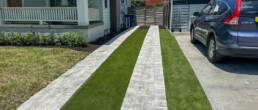
Florida’s heat, humidity, and near year-round growing season make lawn care a bigger commitment than it is in many other parts of the country. Between mowing, watering, fertilizing, and dealing with pests or disease pressure, it is no surprise that more homeowners are asking whether artificial turf might be a better fit for their property than natural grass. Both options have become increasingly common across Tampa Bay neighborhoods, and each comes with its own set of tradeoffs worth understanding before making a decision.
Both options have real advantages, and the right choice often comes down to how you use your yard, how much time you want to spend maintaining it, and what look you are going for. Below, we compare artificial turf and natural grass across the factors that matter most for Florida properties, from day-to-day maintenance to long-term cost and durability.
Natural Grass in Florida Yards
Natural grass remains the most common choice for Florida lawns, and for good reason. It offers a soft, natural look and feel that many homeowners prefer, along with environmental benefits like natural cooling and water filtration that synthetic materials cannot replicate. For many properties, natural grass also blends more naturally with the surrounding landscape and neighborhood character.
Grass varieties suited to Florida’s climate, cared for through consistent year-round lawn care and maintenance, can handle the state’s heat and humidity reasonably well when properly maintained. Regular mowing, fertilization, and pest management help keep a natural lawn healthy through both the peak growing season and the slower winter months. Proper irrigation also plays a major role, since consistent watering helps grass develop the strong root system it needs to handle periods of heat stress or light drought.
That said, natural grass does require ongoing attention. Mowing, watering, and treating for weeds, pests, or fungal issues are recurring tasks throughout the year, and lawns that are neglected even briefly can develop bare patches, discoloration, or disease that take time to correct. Heavy foot traffic, pets, and Florida’s intense sun can also wear down certain areas faster than others, particularly along walkways, near play areas, or under shade trees where grass already struggles to establish.
Florida’s growing season is also longer than in many other regions, which means natural grass tends to need more frequent mowing and attention throughout most of the year rather than slowing down significantly in the winter months the way it might further north.
Artificial Turf in Florida Yards
Artificial turf has become a popular alternative for homeowners who want a consistently green, manicured look without the ongoing maintenance that natural grass requires. Modern turf products are designed to withstand heavy use, resist fading, and maintain their appearance through Florida’s intense sun and heavy seasonal rainfall.
One of the biggest draws of artificial turf is consistency. Unlike natural grass, turf does not develop bare patches, does not require mowing, and does not need regular watering or fertilization to maintain its appearance. This can be especially appealing for smaller yards, side areas that see little foot traffic, or properties where a lawn is more decorative than functional, such as small courtyards, dog runs, or areas around a pool deck where consistent, low-maintenance greenery is the priority.
Artificial turf is not without its considerations, however. Installation requires proper base preparation, including grading and drainage work, to prevent pooling water and ensure the surface performs well over time. Turf can also retain heat on especially hot days, which is worth factoring in for areas where pets or children spend a lot of time outdoors, since synthetic surfaces can feel noticeably warmer underfoot than natural grass during peak summer afternoons.
Quality also varies significantly between turf products. Lower-quality turf can look artificial, flatten over time, or wear unevenly in high-traffic areas, while higher-quality options are designed to hold their shape and color for many years with proper care. Choosing the right density, fiber type, and infill material for your specific use case makes a noticeable difference in how the finished result looks and performs.
Comparing Maintenance and Long-Term Cost
 Maintenance is often the deciding factor for homeowners weighing these two options. Natural grass requires a recurring investment of time or money for mowing, watering, fertilizing, and pest control throughout the year. For homeowners who enjoy a lower-maintenance approach, or who travel frequently and cannot keep up with regular lawn care, this ongoing commitment can be a real drawback. Even with professional maintenance in place, natural grass still requires a consistent schedule to stay looking its best throughout the year.
Artificial turf has a higher upfront installation cost but significantly lower ongoing maintenance needs. There is no mowing, no fertilizing, and no watering required to keep it looking consistent. Occasional rinsing to remove debris and periodic brushing to keep fibers upright are typically all that is needed to maintain its appearance over time, along with removing leaves or organic debris that can accumulate on the surface after storms.
When comparing long-term cost, it is worth weighing the upfront investment in turf against the years of recurring lawn care expenses that natural grass requires. For some properties, particularly smaller areas or those with heavy shade where grass struggles to grow, turf can offer a strong long-term value. For larger properties where natural grass thrives, ongoing maintenance costs may still come out ahead of a full turf installation, especially since natural grass does not carry the same upfront installation expense that turf does.
It is also worth considering how long you plan to stay in your home. Turf’s higher upfront cost is generally spread out over many years of reduced maintenance, so the value tends to increase the longer you own the property and continue benefiting from lower ongoing care requirements. Homeowners planning a shorter stay may find that the upfront investment is harder to fully recoup compared to those settling in for the long term.
Comparing Appearance, Durability, and Environmental Factors
Beyond maintenance and cost, appearance, durability, and environmental impact are worth weighing as well, especially since these factors can influence day-to-day enjoyment of your outdoor space long after installation is complete.
Appearance is often a personal preference, but there are some practical differences worth noting. Natural grass has a texture and softness that many homeowners associate with a traditional, natural-looking yard, and it tends to blend more seamlessly with surrounding landscaping and garden beds. Artificial turf offers a uniformly green, manicured appearance year-round, without the seasonal color changes or occasional thin spots that natural grass can experience.
Durability depends heavily on how the space is used. High-quality turf holds up well under heavy foot traffic and pet use without developing the worn or muddy patches that natural grass can show in high-traffic areas. Natural grass, on the other hand, has the ability to self-repair and regenerate over time, which can be an advantage in areas with lighter use, allowing minor damage from occasional wear to heal naturally without intervention.
Pet owners in particular often weigh this factor heavily, since dogs can wear paths into natural grass fairly quickly, while turf is generally more resistant to this kind of concentrated foot traffic. That said, turf does require occasional rinsing to manage odor in areas where pets frequently use the bathroom, and some turf products are specifically designed with pet-friendly drainage features to make this easier.
From an environmental standpoint, natural grass contributes to natural cooling, supports local ecosystems, and allows rainwater to filter into the soil more naturally. Artificial turf eliminates the need for water, fertilizer, and pesticides, which can be appealing for homeowners looking to reduce their environmental footprint in a different way, particularly in yards where watering natural grass consistently has proven difficult due to drought restrictions or inconsistent irrigation coverage.
Drainage is another factor worth mentioning. Properly installed turf includes a drainage layer designed to handle Florida’s heavy seasonal rainfall, but if installation is not done correctly, water can pool on the surface rather than draining through it. This makes proper installation just as important as the turf material itself when it comes to long-term performance, which is why working with an experienced installer matters just as much as choosing a quality product.
Which Option Is Right for Your Property?
There is no single right answer when it comes to choosing between artificial turf and natural grass. The best choice depends on your property, your lifestyle, and what matters most to you, and it is worth taking a closer look at how each area of your yard is actually used before deciding.
- If you enjoy a natural look and do not mind ongoing maintenance, natural grass paired with regular care is likely the better fit
- If you want a consistently green, low-maintenance yard, artificial turf may be worth considering, especially for smaller areas or heavily shaded spots
- If your property has areas where grass consistently struggles to grow, turf can offer a practical solution for those specific spots
- If you have pets or children who spend a lot of time outdoors, weigh turf’s durability against natural grass’s cooler surface temperature
- If you are unsure, a hybrid approach using turf in select areas while maintaining natural grass elsewhere is also worth exploring
Talking through your specific property and goals with a professional can help you land on the right approach, whether that means sticking with natural grass, transitioning to turf, or blending both across different areas of your yard. A property assessment can also reveal specific challenges, such as heavy shade or persistent drainage issues, that may make one option clearly more practical than the other for your particular yard.
Get a Free Estimate for Your Lawn or Landscaping Project
Whether you are leaning toward natural grass, exploring artificial turf, or simply trying to figure out which option makes the most sense for your property, our team is happy to walk through your specific yard and talk through the tradeoffs in more detail. We proudly serve properties throughout Valrico and Lithia and the greater Tampa Bay area.
No matter which direction you choose, the goal is the same: a yard that fits your lifestyle and looks great throughout the year with a maintenance approach you can realistically keep up with.
Contact us today to Get a Free Estimate and find the right fit for your yard.
Ready for an expert opinion? Get in touch today!
Lorem ipsum dolor sit amet, consectetur adipiscing elit, sed do eiusmod tempor incididunt ut labore et dolore magna aliqua. Pharetra et ultrices neque ornare aenean euismod elementum nisi. Mauris augue neque gravida in fermentum.
Like this article? Spread the word!
Related Posts

How to Prepare Your Landscape Beds for Florida’s Rainy Season
Get your Tampa landscape beds ready for rainy season with this prep checklist. Get a Free…

Mulch vs. Rock Landscaping: Which Is Better for Florida Yards?
Comparing mulch vs. rock landscaping for your Florida yard? See the pros, cons, and cost…

How to Prepare Your Lawn for Sod Installation: A Landscaping Checklist
Get your Tampa Bay lawn ready for sod installation with this landscaping checklist…